Robot Welding advice for Australian workshops
This robot-welding.au site is focused on metal fabrication teams planning a practical robotic welding project. The content here is written around automation planning, process fit, and staged adoption from demo to production, so the advice, page titles, and internal links are deliberately different from the other TME Systems welding domains.
Automation planning focus
This page supports the robot-welding.au theme: staged robotic welding adoption, process-fit checks, candidate-part selection, risk reduction, and planning from demonstration through production use.
Teach without robot code
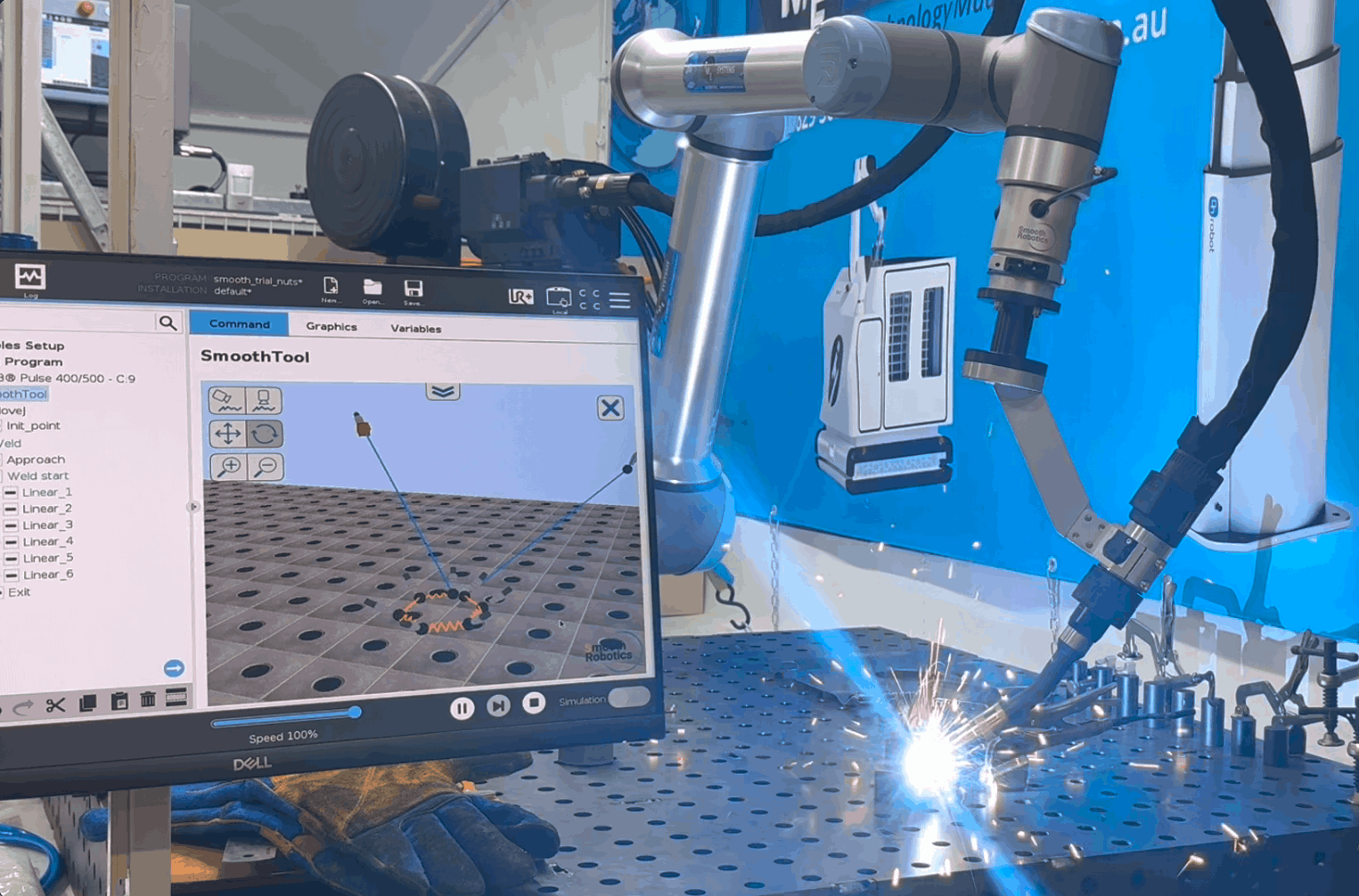
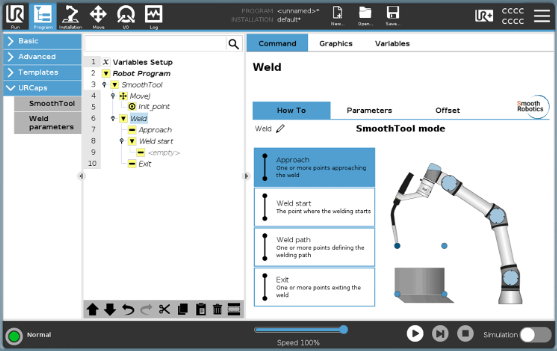
Operators can concentrate on weld sequence, torch position, travel speed, and process quality instead of robot syntax.
Shorter changeovers
For teams with frequent part changes, no-code teaching can help reduce the time between a fixture setup and the first usable weld.
Designed for confidence
Clear visual workflows make it easier for new users to understand the system and for experienced users to make quick refinements.
Advanced paths without advanced programming
No-code welding software can make common robotic weld functions easier to apply, including weaving, stitch welding, tack welds, offsets, multipass work, and touch sensing where the installed system supports them.
Talk to TME Systems
Tell us about your parts, welding process, production volumes, and team goals. We can help you decide whether a collaborative welding system is a practical fit.
Get Started